Coming soon
Lab Consumables
Essential reagents, kits & labware for everyday research.
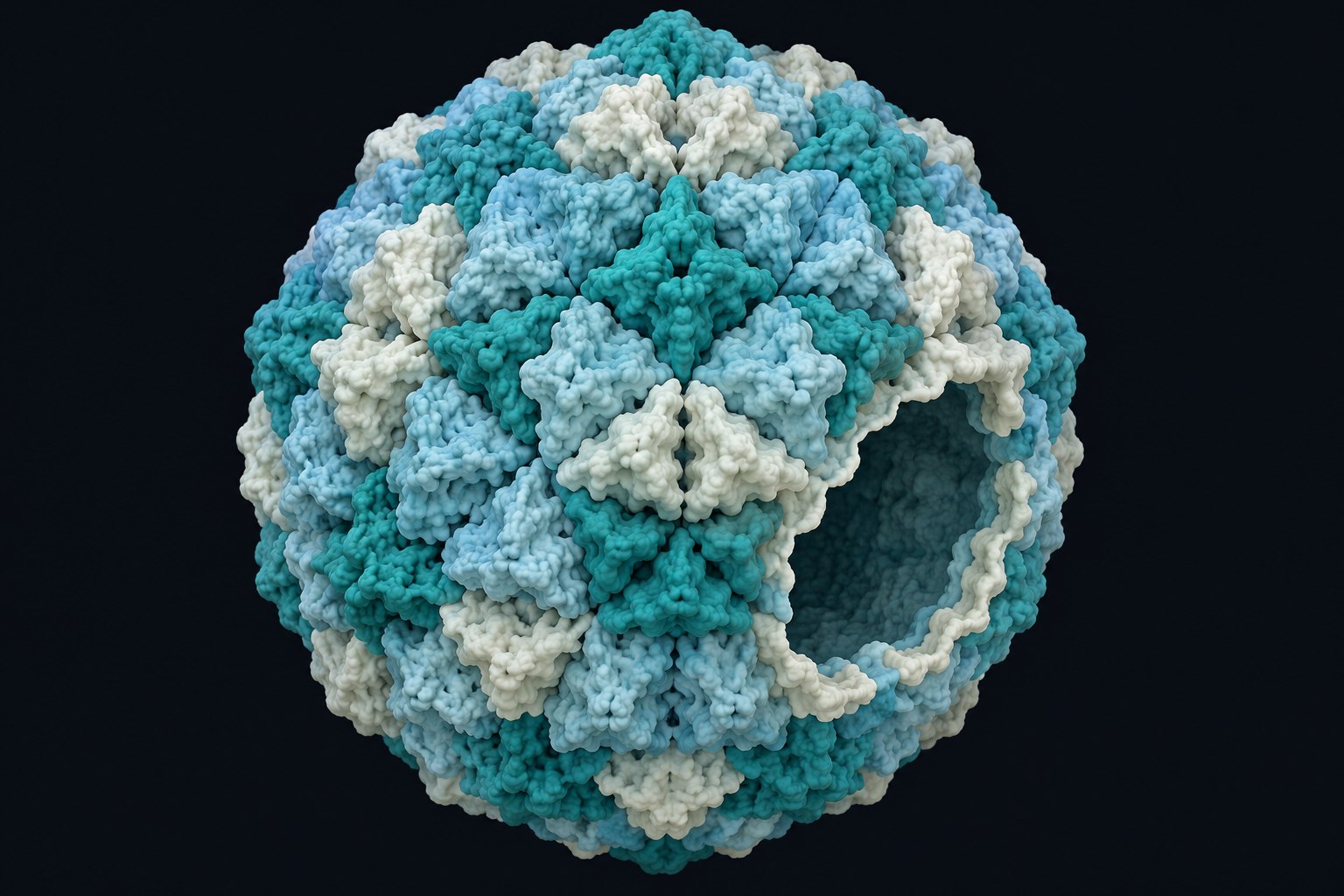
Representative category image. Supplied product and packaging may differ.
Ordering
- Catalog number
- CQ-CON-ELI-0003
- Pack size
- NA
- Availability
- Coming soon
Coming soon — register your interest
What to include in your enquiry
Tell us your required quantity, preferred pack size, research application and delivery destination. Ask us to confirm lead time, shipping conditions and any available datasheet, certificate of analysis or safety data sheet with your quotation.
AAV Full/Empty Capsid ELISA Kit
Product overview
An AAV analytical-kit concept for research characterization of capsid preparations. Total-capsid measurements and estimates of genome-containing particles answer different questions; a full-to-empty assessment may need complementary measurements. This entry is coming soon. Confirm serotype recognition, standards, assay principle and the method used to establish full/empty proportions. A total-capsid ELISA alone should not be assumed to measure genome occupancy.
Specifications
- Product type
- Assay / kitFrom product name · not independently verified
Research Context
The share of empty capsids is a critical quality attribute for AAV gene therapies, and manufacturers measure it at many process steps.
Published evidence
Analytical-method comparisons and a dual-fluorescence study illustrate that particle-content measurements depend on method design and calibration. Total capsid detection, genomic titer and a derived full-particle estimate should remain separate quantities when an AAV assay is evaluated (1), (2).