Coming soon
Lab Consumables
Essential reagents, kits & labware for everyday research.
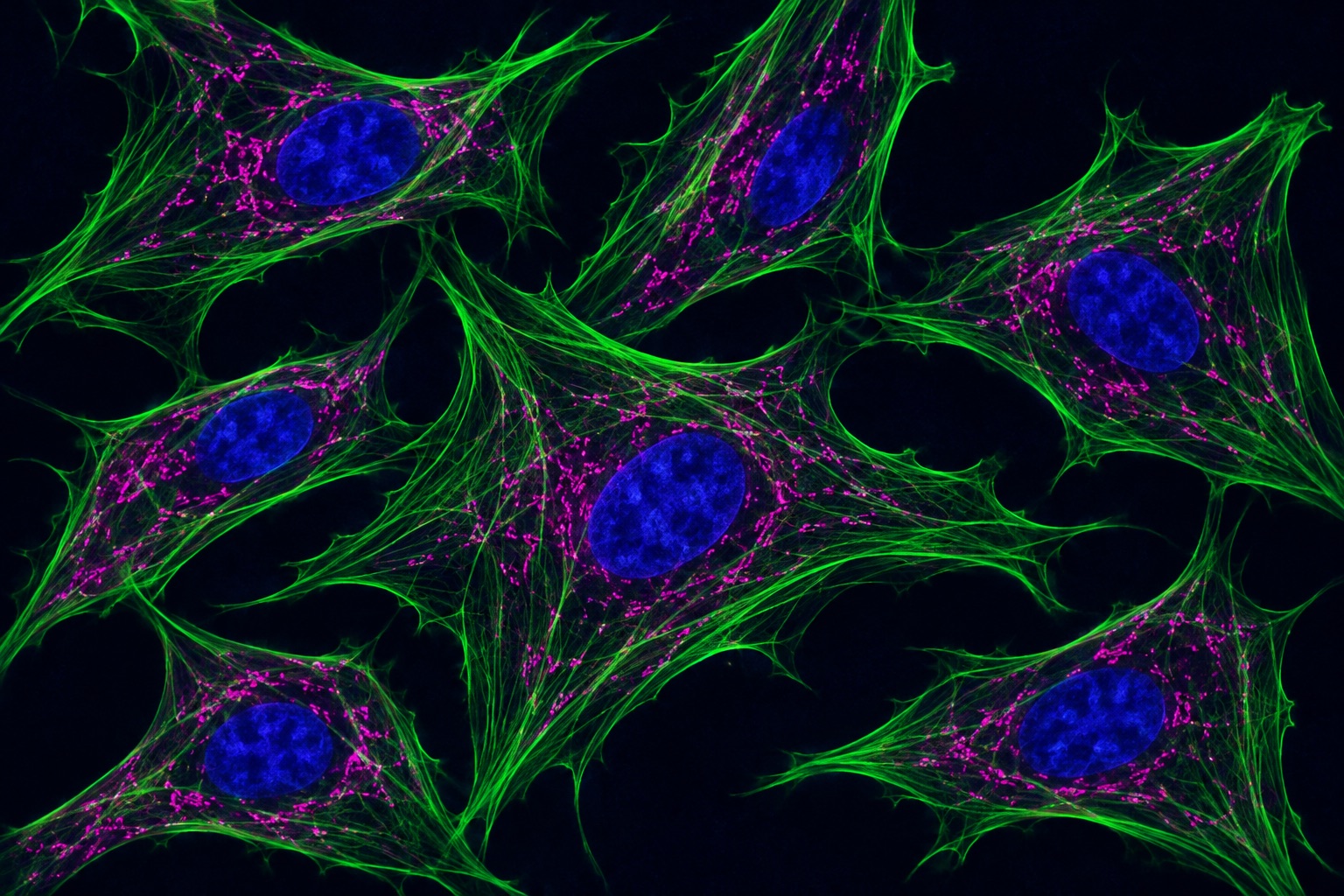
Representative category image. Supplied product and packaging may differ.
Ordering
- Catalog number
- CQ-CON-REA-0001
- Pack size
- NA
- Availability
- Coming soon
Coming soon — register your interest
What to include in your enquiry
Tell us your required quantity, preferred pack size, research application and delivery destination. Ask us to confirm lead time, shipping conditions and any available datasheet, certificate of analysis or safety data sheet with your quotation.
GLP-1 Receptor Agonist cAMP Bioassay Kit
Product overview
A GLP-1-receptor bioassay concept for studying receptor-linked signaling through a cAMP-associated readout. Appropriate controls and the choice of cell system are important when comparing candidate agonists. This entry is coming soon. Confirm the exact cells or detection reagents, reporter chemistry, instrument needs and analysis method. No potency range or equivalence to a specific commercial bioassay is established.
Specifications
- Product type
- Assay / kitFrom product name · not independently verified
Research Context
GLP-1 receptor agonists have reshaped obesity and diabetes treatment, and research now extends to oral small molecules and multi-receptor agonists. Every programme needs a reliable potency assay.
Published evidence
A study of biased GLP-1-receptor agonists found that in-vitro cAMP potency and in-vivo effects did not necessarily align. It provides a concrete reason to distinguish a pathway-specific bioassay result from a complete pharmacological profile (1).